
The Real Cost of a US Family Road Trip (And How to Plan Around It)
Fuel, food, lodging, and activities add up fast. Here's how to understand and manage the true expenses of a family road trip.
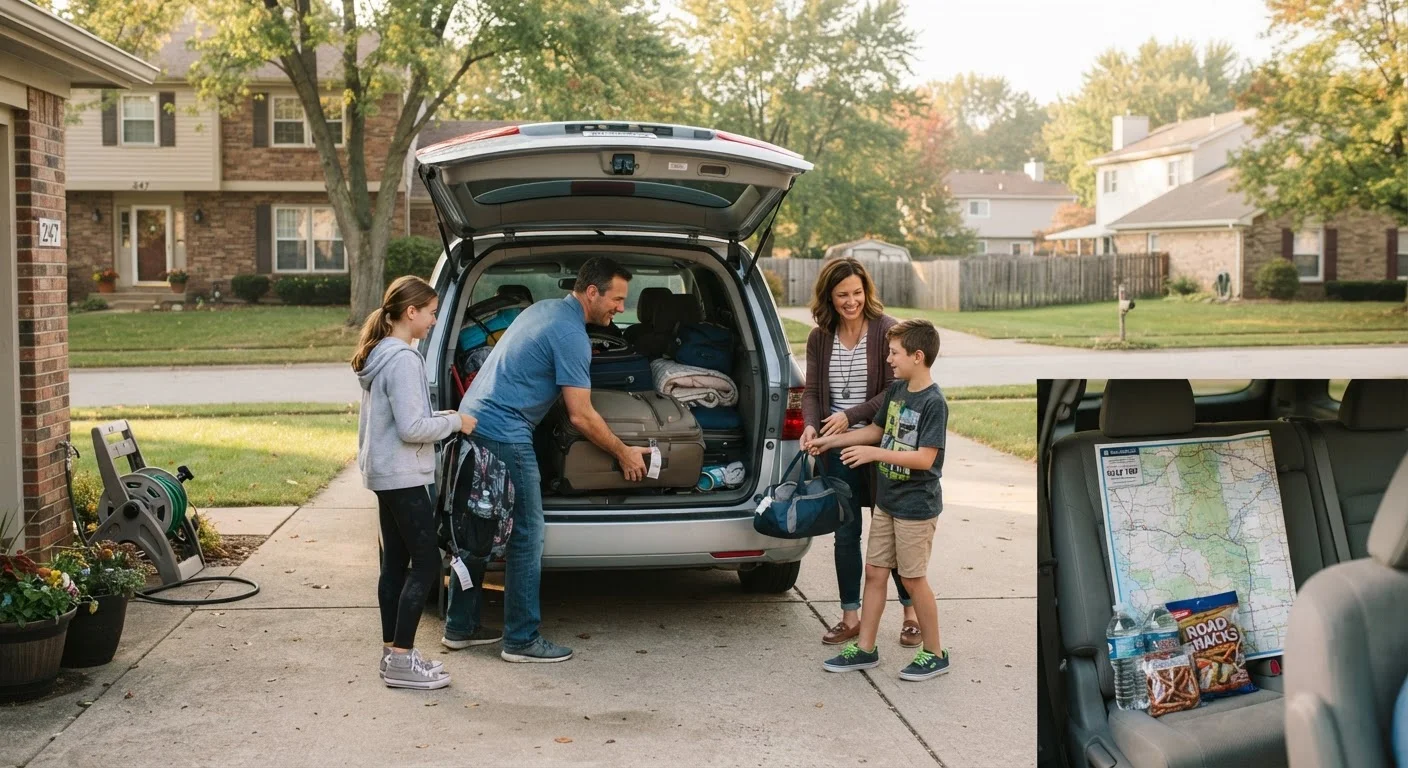
Photo: appropriateanswers.com editorial
—— In This Article
Key Takeaways
- Fuel, food, and lodging each represent roughly equal shares of a road trip budget for most families.
- Vehicle preparation costs are easy to skip but can prevent expensive breakdowns mid-trip.
- Cooking some meals in a rental kitchen or cooler can cut daily food spending nearly in half.
- Driving at off-peak times and booking lodging midweek can reduce costs without changing your destination.
- Building a 10 to 15 percent buffer into any road trip budget covers tolls, parking, and minor surprises.
Where road trip budgets break down
Most families open a spreadsheet, type in gas and hotel, and call the budget done. That approach leaves out roughly half of what a road trip actually costs. The categories that derail spending are predictable, and knowing them in advance is the difference between coming home slightly under budget and putting $600 on a credit card you did not plan to use.
The main cost buckets for any US family road trip are fuel, lodging, food, activities and entrance fees, vehicle prep, and incidentals (tolls, parking, laundry, souvenirs). Each one needs a real number, not a vague estimate. The first affordable family vacation guide covers how to build that number from scratch if you have never done this before.
$1,500 to $4,000
Typical 7-day road trip cost for a family of four
A general estimate based on fuel, lodging, food, and activities for a continental US trip; actual costs vary by region, season, and spending choices.
40 to 50%
How much families underestimate food spending
Food is the category most commonly underfunded in family road trip budgets, particularly when all meals are restaurant-based.
10 to 20%
Fuel efficiency drop with full passenger and cargo load
A loaded vehicle with roof storage and multiple passengers consistently burns more fuel per mile than a manufacturer's highway MPG rating suggests.
Fuel: the easiest cost to calculate, the hardest to control
Fuel is the one line item families calculate first, and it is also the one that shifts the most. The formula is straightforward: divide your planned total miles by your vehicle's highway miles per gallon, then multiply by the current average price per gallon in the regions you will drive through. The US Energy Information Administration publishes regional gasoline price data that can ground that estimate.
What most families miss is that fuel efficiency drops by 10 to 20 percent when a vehicle is loaded with passengers, luggage, and a roof rack. Build that into your estimate. Also factor that stop-and-go driving through tourist towns burns far more fuel than open highway miles. If your route includes significant city driving, add 15 percent to your fuel estimate.
For anything related to how your specific vehicle handles long trips, the Affordable Auto Care hub has practical, cost-focused guidance. And before you load up, a basic pre-trip check covered in the car ownership costs guide can surface maintenance needs that are cheaper to handle at home than on the road.
Lodging and food: the two categories that grow fastest
Lodging is where planning decisions have the biggest dollar impact. A family of four that books a standard hotel room pays for one room; a family that needs two rooms because of age or sleep logistics pays 60 to 80 percent more per night. Rentals with full kitchens, campgrounds with hookups, and state park cabins all change the math. The lodging options breakdown compares these trade-offs in detail.
Food is typically underestimated by 40 to 50 percent in first-time road trip budgets. A family eating every meal at restaurants can spend $80 to $120 per day on food alone. Packing a cooler with breakfast items and lunch ingredients cuts that to $30 to $50 on most days. Plan for one or two restaurant dinners as part of the experience, not every meal.
Stock the cooler before you leave home
A cooler loaded with breakfast items, sandwich supplies, and drinks before departure cuts the temptation to stop at restaurants for every meal. Replenish groceries at a supermarket midway through the trip rather than convenience stores, where prices run 20 to 40 percent higher. This one habit can save a family of four $200 or more over a week-long trip.
For a broader set of spending principles that apply whether you are on a road trip or any other family vacation, stretching a family travel budget covers the habits that make the biggest cumulative difference.
Activities, incidentals, and the 15 percent buffer rule
National park entry fees, state park day passes, roadside attraction admission, and museum tickets are easy to overlook because they feel optional in the planning phase. In practice, they become daily decisions once you are on the road, and they add up. Listing your intended stops and their entry costs before the trip gives you a real activities number instead of a surprise.
Incidentals are the line items that feel too small to plan for: tolls, parking meters, a forgotten phone charger, sunscreen, the $14 magnet your youngest will not leave without. The standard guidance is to add 10 to 15 percent on top of your total estimated budget for these costs. That buffer absorbs normal variation without requiring you to track every small purchase obsessively.
Two behaviors quietly inflate road trip budgets more than any single category. Both are covered in common ways families accidentally spend more on vacation: overplanning paid activities and overpacking gear that then needs to be replaced or upgraded on the road. The family budget travel prep checklist addresses both before departure. For families working from a tighter baseline, Smart Family Finance offers foundational strategies for managing variable expenses like travel without derailing other financial goals.
Frequently Asked Questions

Budget Travel Tips Editorial Team
Budget Travel Tips Editorial Team is the collective byline for our editorial team and contributor network. Articles published under this byline or an editorial pen name are researched, written, and reviewed according to our editorial standards for clarity, consistency, and independence before publication.
View author profile