
Planning Your First Affordable Family Vacation in the US
New to budget travel with kids? This guide walks through destination research, setting a realistic budget, booking logistics, and keeping everyone happy on the road.
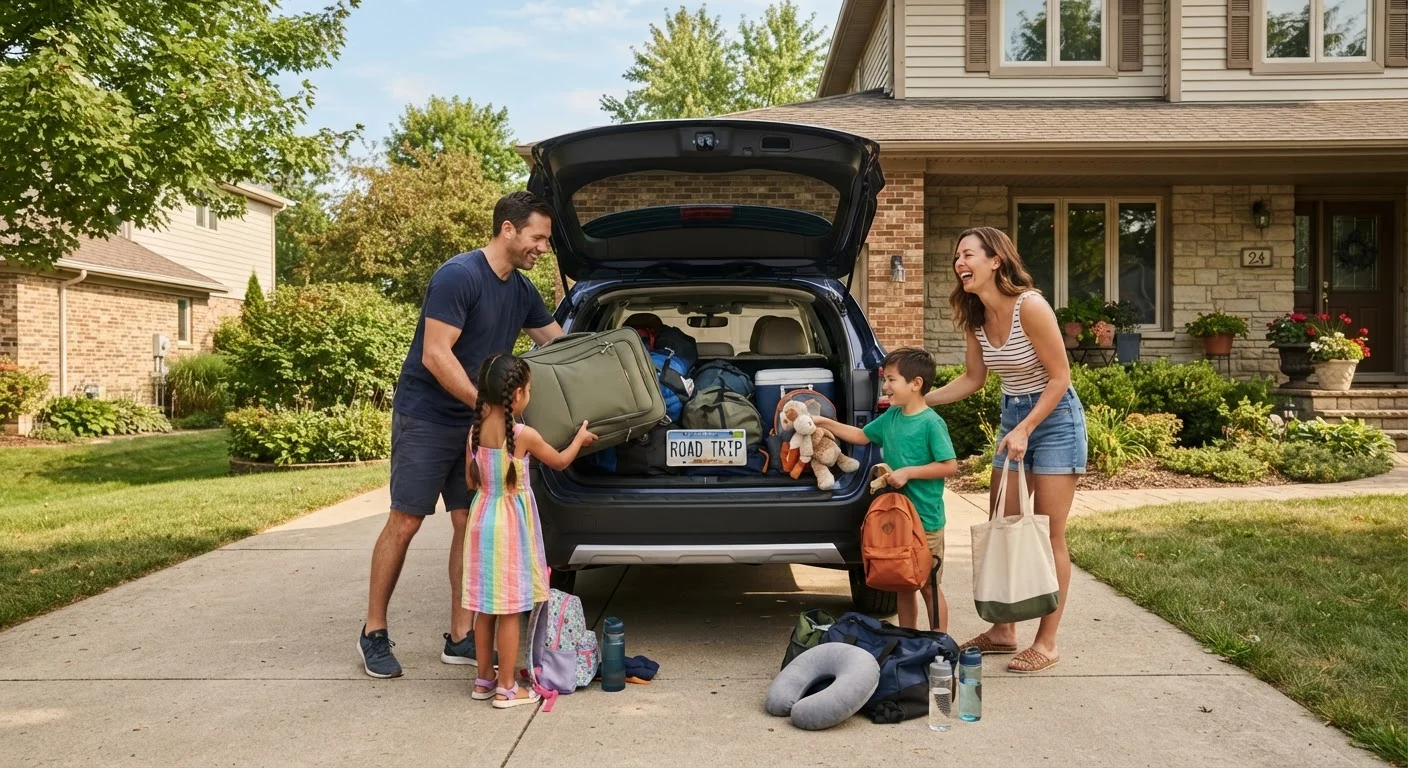
Photo: appropriateanswers.com editorial
—— In This Article
Key Takeaways
- Set a total trip budget before researching destinations so costs guide your choices.
- Driving instead of flying often cuts transportation costs significantly for families of four or more.
- Lodging with a kitchen lets you prepare some meals in, which is one of the highest-impact savings moves.
- Free or low-cost activities, such as national parks, beaches, and state parks, can anchor a full itinerary.
- Booking 6 to 10 weeks in advance generally hits a practical sweet spot for domestic family travel.
Set a realistic travel budget before anything else
The most common first-timer mistake is picking a destination and then trying to make the money work. Go in the other direction: decide what you can realistically spend, then find a trip that fits. If your household budget is unclear, a resource like this plain-English budgeting starting point can help you build a baseline before you start pricing trips.
When building a travel number, account for every spending category separately: transportation, lodging, food, activities, and a buffer for unexpected costs. Families often undercount food and activities because those feel variable, but they are where overruns happen most. A 10 to 15 percent buffer on your total is reasonable for a first trip.
Use a daily spending average
Once you have a total trip budget, divide it by the number of travel days. That daily average makes it easier to evaluate whether a given hotel, restaurant, or activity fits without doing fresh math every time. It also makes it obvious, early in the trip, if you are running ahead of pace.
Once you have a total number, divide it by the number of travel days. That daily average makes it easier to evaluate whether a given hotel, restaurant, or activity fits without doing fresh math every time.
Choosing a destination that fits your budget
Within the US, the cost difference between destinations is significant. A week at a coastal Florida resort will run considerably more than a week in a Tennessee mountain cabin or a New Mexico road trip, even with similar family sizes and lodging quality. The variables that move the needle most are lodging costs per night, how far you need to travel, and what activities cost once you arrive.
National and state parks make the strongest anchor for a budget-focused itinerary because entry costs are low and the experience-per-dollar ratio is high. Children under 16 enter all US national parks free, and the America the Beautiful annual pass covers entrance fees for an entire vehicle at nearly all federal recreation sites. If you plan two or more park visits in a year, the pass pays for itself.
Flexible destination thinking is one of the habits that consistently helps families travel more while spending less. Instead of locking in a specific spot first, compare two or three options against your budget before committing.
Booking flights, lodging, and transport
For families of four or more, driving is usually the lower-cost option once you multiply airfare by the number of tickets. The math changes if the drive exceeds 10 to 12 hours, where extra lodging nights and fatigue eat into the savings. Understanding the true cost of a road trip, including fuel, tolls, and food stops, helps you make that comparison honestly before choosing.
For lodging, vacation rentals with a kitchen almost always beat hotel rooms for families. The ability to prepare some meals in-house cuts food costs meaningfully over a week. Look for rentals that sleep your group without requiring multiple rooms, which is where the savings compound.
Booking 6 to 10 weeks ahead for domestic summer or holiday travel hits a practical balance between availability and price. Waiting until the last few weeks limits your options without reliably lowering prices for family-sized accommodations.
Keeping food and activity costs manageable
Food is the budget category families most consistently underestimate. Restaurant meals for four add up fast, even at casual spots. A simple structure that works for many families: prepare breakfast and at least one other meal in-house each day, then budget for one restaurant meal. On a seven-day trip, that alone can save several hundred dollars compared to eating out for every meal.
Packing a cooler with snacks, drinks, and sandwich supplies for road travel removes the impulse gas station and fast food stops that quietly drain a travel budget. Budget travel does not mean uncomfortable travel; it means being deliberate about where the money goes so you have more left for the things that matter to your family.
For activities, build the itinerary around free or low-cost anchors, such as parks, beaches, hiking trails, and public attractions, and then add one or two paid experiences your kids genuinely want. That structure prevents the trip from becoming an expensive sequence of admission tickets.
Packing and last-minute logistics
Packing with a list prevents the drugstore and convenience store runs that inflate costs once you arrive. Sunscreen, over-the-counter medications, snacks, and any specialty items are cheaper bought at home than at a tourist-area store. The same logic applies to gear: borrow or rent items you need only for this trip rather than buying new.
Confirm all reservations 48 hours before departure and have digital and printed copies of confirmation numbers, lodging addresses, and any tickets. If you booked refundable rates, know the cancellation deadlines clearly. For a full pre-departure checklist that covers these logistics, this family budget travel prep checklist walks through the practical steps in order.
Check your vehicle before a road trip: tire pressure, oil level, and any overdue maintenance. A breakdown mid-trip costs far more in time and money than routine upkeep before leaving. If your vehicle has deferred maintenance, the affordable auto care guidance on this site covers what to prioritize without overspending.
Frequently Asked Questions

Budget Travel Tips Editorial Team
Budget Travel Tips Editorial Team is the collective byline for our editorial team and contributor network. Articles published under this byline or an editorial pen name are researched, written, and reviewed according to our editorial standards for clarity, consistency, and independence before publication.
View author profile