
Car Ownership Costs Most Families Overlook When Budgeting
Purchase price is just the start. Registration, depreciation, maintenance intervals, and insurance add up fast. Here is what to plan for.
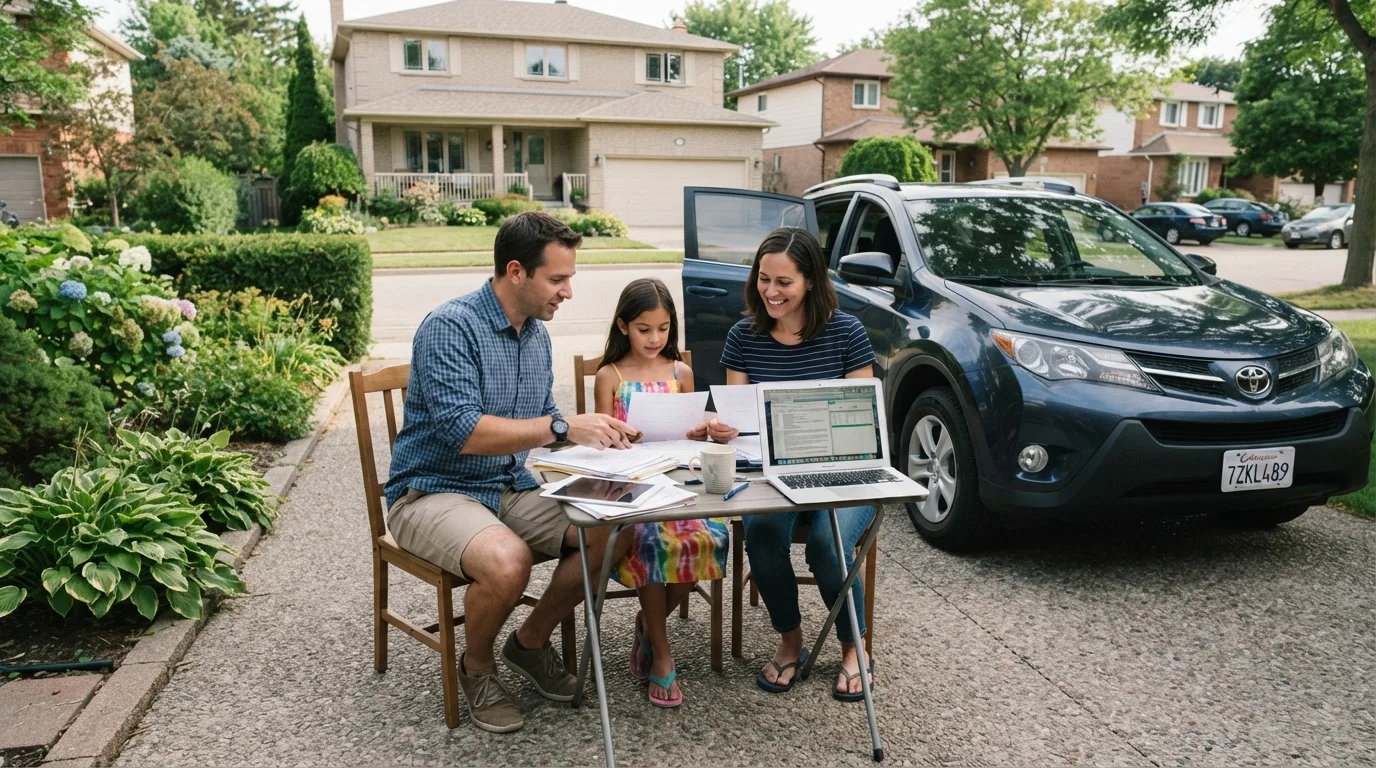
Photo: appropriateanswers.com editorial
—— In This Article
Key Takeaways
- Depreciation is typically the largest annual cost of owning a vehicle, yet most families never account for it in their budget.
- Registration fees, emissions testing, and state-specific taxes vary widely and can add hundreds of dollars per year.
- Skipping scheduled maintenance intervals often leads to repair bills that dwarf the cost of the service itself.
- Insurance premiums shift with life changes like adding a teen driver or moving to a new zip code, and reviewing annually can reveal savings.
- Tire replacement, battery service, and brake work are predictable costs that are easy to plan for if families track mileage.
Why the purchase price tells only part of the story
Most families spend weeks comparing vehicle prices and negotiating the sale, then are caught off guard by the costs that arrive every month after driving off the lot. AAA estimates that the average American driver spends over $10,000 per year to own and operate a vehicle when all expenses are included. For families running two vehicles, that figure doubles. The gap between what people budget and what they actually pay tends to widen quietly over time.
The overlooked costs below are not rare or unusual. They show up for almost every owner, often on a predictable schedule. Planning for them in advance is more practical than reacting to each one as a surprise. For a broader look at how budget gaps form in family finances, see why families overspend despite good intentions.
Depreciation
A new vehicle loses roughly 20 percent of its value in the first year of ownership, according to data from Carfax. Over five years, that loss can reach 60 percent of the original purchase price. Depreciation does not generate a bill you receive in the mail, but it represents real money leaving your household. Families who plan to sell or trade in a vehicle in a few years feel this cost most sharply.
Buying a vehicle that is two to three years old shifts a large portion of that depreciation onto the previous owner, which is one of the most effective ways to reduce this cost without changing your driving habits.
A new vehicle can lose up to 60 percent of its value within five years.
Registration fees and state taxes
Annual registration fees vary considerably by state and, in many states, by the vehicle's value or age. Some states charge a flat fee under $100, while others calculate fees based on the car's assessed value, which can push costs above $500 per year for a newer vehicle. Some counties add their own fees on top of the state amount.
If you move to a new state or buy a newer vehicle, check the registration cost before finalizing the decision. A $3,000 purchase-price difference can disappear quickly if one vehicle carries $200 more per year in registration costs over time.
Registration fees in high-fee states can exceed $500 per year on newer vehicles.
Scheduled maintenance beyond oil changes
Most families budget loosely for oil changes but do not plan for the services that fall at 30,000, 60,000, and 90,000 miles. These intervals often include transmission fluid, coolant flush, spark plugs, air filters, and belt inspections. A full 60,000-mile service at a dealership can run $400 to $800 depending on the vehicle and location.
Your owner's manual lists every interval and what it includes. Reading it once and mapping the costs to your expected mileage turns a series of surprises into a predictable annual line item.
A 60,000-mile service at a dealership can cost $400 to $800 in parts and labor.
Tire replacement
A set of four tires on a family vehicle typically costs $400 to $900 installed, depending on the tire size and vehicle type. Most tires last 40,000 to 70,000 miles under normal driving conditions. If you drive 15,000 miles per year, you are likely replacing tires every three to five years.
Rotating tires every 5,000 to 7,500 miles extends their life measurably and costs relatively little at most service shops. Families who skip rotations often replace tires a year or two earlier than necessary.
Skipping tire rotations can shorten tire life and push replacement costs forward by one to two years.
Insurance premium changes
Insurance premiums do not stay fixed. Adding a teenage driver to a policy can increase annual premiums by $1,000 to $2,000 or more. Moving to a different zip code, changing vehicles, or having an at-fault claim all trigger recalculations. Some families pay a higher premium for years simply because they never shopped their policy after a major life change.
Reviewing your policy annually and requesting quotes from at least two other insurers is a straightforward step that requires no mechanical knowledge. State insurance departments publish licensed insurer lists if you need a starting point for comparison.
Adding a teen driver can raise annual insurance premiums by $1,000 or more.
Financing interest over the loan term
A five-year auto loan on a $30,000 vehicle at 7 percent interest adds roughly $5,600 in interest to the total cost. Many families focus on the monthly payment rather than the total paid, which makes the interest cost invisible until the loan is complete.
A shorter loan term or a larger down payment reduces total interest significantly. Paying even one extra payment per year on a standard auto loan can shorten the payoff period by several months and reduce overall interest costs.
A 7 percent interest rate on a $30,000 loan adds over $5,600 to the vehicle's total cost.
Parking, tolls, and incidental fees
Urban and suburban families often pay for parking at work, in garages, or at metered spots without tracking it as a vehicle cost. Monthly parking in a city garage can run $100 to $300. Toll roads, bridge fees, and highway passes add up similarly, particularly for families with long commutes or regular road trips. These costs rarely appear in anyone's car budget, but they belong there.
Monthly parking fees alone can add $1,200 to $3,600 per year to the real cost of driving.
How to use this list to build a realistic car budget
Go through your current vehicle and assign a rough annual dollar figure to each category below. Add those figures to your monthly car payment and insurance premium. That total is closer to your real cost of ownership than the payment alone. Families who do this exercise often find they are spending 20 to 40 percent more on transportation than they realized.
If your vehicle is approaching higher mileage, common auto maintenance myths are worth reviewing before you schedule any service, since some standard recommendations no longer reflect what modern vehicles actually need. The same principle of tracking predictable costs applies to home upkeep; see the real costs of skipping routine home maintenance for a parallel look at deferred spending.
Build a simple vehicle cost log
Keep a running spreadsheet or notes file with every car-related expense: fuel, maintenance, fees, and insurance payments. After 12 months, the true annual cost becomes clear and you can adjust your budget accordingly. This also helps when comparing whether to repair an aging vehicle or replace it, since the data is already organized.

Affordable Auto Care Editorial Team
Affordable Auto Care Editorial Team is the collective byline for our editorial team and contributor network. Articles published under this byline or an editorial pen name are researched, written, and reviewed according to our editorial standards for clarity, consistency, and independence before publication.
View author profile