
National Parks vs. State Parks: Which Makes More Sense for Budget Family Travel
Entry fees, camping options, crowds, and kid-friendly activities differ significantly. See how national and state parks compare for cost-conscious families.
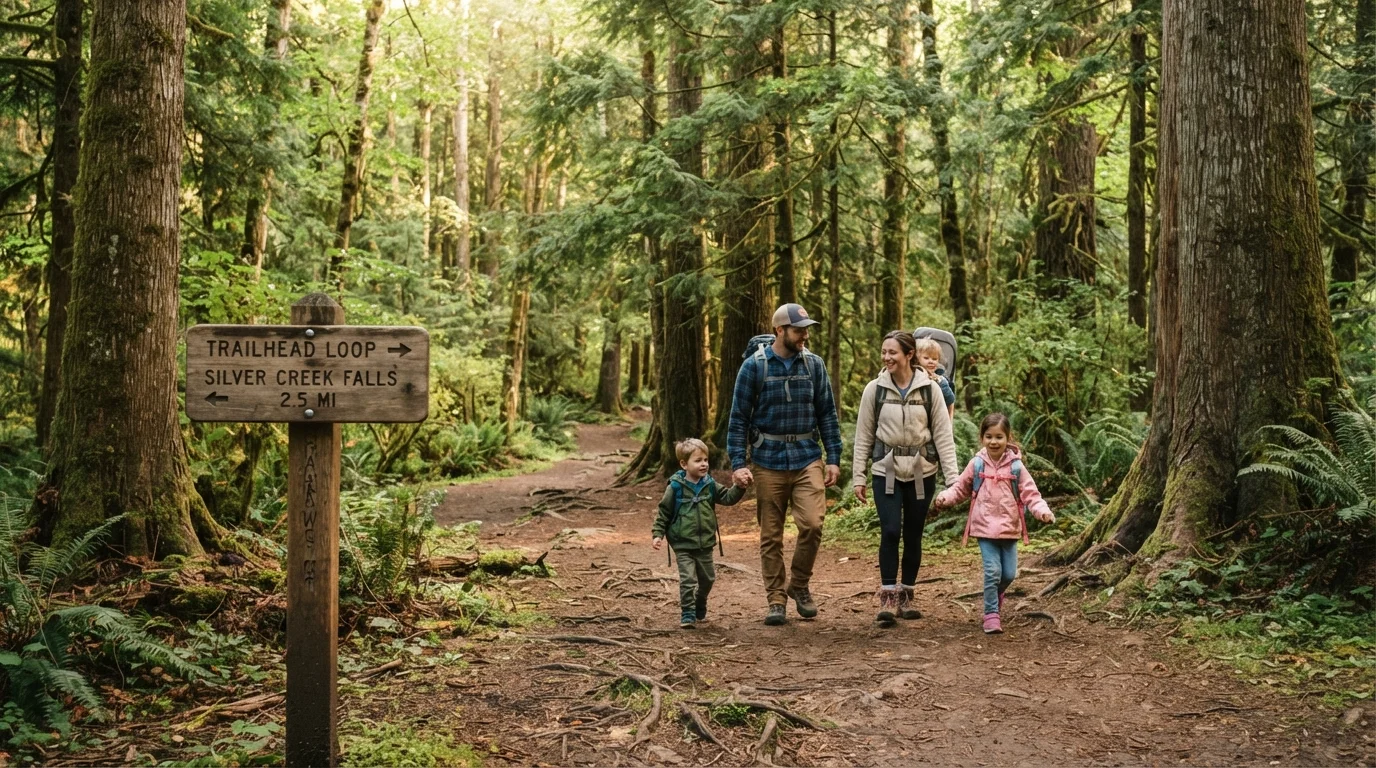
Photo: appropriateanswers.com editorial
—— In This Article
Key Takeaways
- State parks typically charge lower entry fees than national parks, often under $10 per vehicle.
- The America the Beautiful pass covers most national park entry fees for a flat annual cost.
- State parks generally have less crowding, making spontaneous visits more practical for families.
- National parks offer Junior Ranger programs and ranger-led tours that many kids find genuinely memorable.
- Campsite availability at popular national parks often requires reservations months in advance.
- Combining both park types in one trip can stretch a family travel budget further than relying on either alone.
What you actually pay to get through the gate
Entry fees are where the two systems diverge most sharply. A standard national park vehicle pass currently runs $35 at most high-demand parks such as Yellowstone, Grand Canyon, and Zion. That is a one-time fee per visit, paid each time you return unless you hold an annual pass.
The America the Beautiful pass costs $80 per year and covers the entry fee for the pass holder and up to three accompanying adults at federal recreation sites. For a family of four visiting three or more fee-charging national parks in a year, the math works in the pass's favor. Children 15 and under are free at all national parks regardless of pass status, which reduces the per-person cost considerably for larger families.
State parks operate on a different model. Fees vary by state and individual park, but vehicle day-use fees commonly fall between $5 and $15. Annual state park passes are available in most states, typically priced between $50 and $90, and cover all or nearly all parks in that state. If a family concentrates its visits within one state, that annual pass can deliver strong value.
| Criterion | National Parks | State Parks |
|---|---|---|
| Standard vehicle entry fee | $20 to $35 per visit | $5 to $15 per visit |
| Annual pass cost | $80 (America the Beautiful) | $50 to $90 (per state) |
| Children under 16 free | Yes, always | Varies by state |
| Typical campsite nightly fee | $20 to $35 | $15 to $25 |
| Advance reservation required | Often 4 to 6 months ahead | Shorter window, more walk-ups |
| Junior Ranger program | 400+ sites nationwide | Select states only |
| Crowd levels (peak season) | High; timed entry at some parks | Generally moderate |
| Proximity to most US families | Often requires long drive | Usually within 1 to 2 hours |
For families planning their first affordable family vacation, understanding these fee structures before choosing a destination prevents unpleasant surprises at the entrance booth.
Camping costs and reservation logistics
Overnight costs shape the total trip budget as much as entry fees do. National park campgrounds typically charge $20 to $35 per night for a standard site without hookups. Premium sites with electrical service run higher. The practical problem at popular parks is availability: sites at places like Acadia or Rocky Mountain routinely book out four to six months ahead through the Recreation.gov reservation system.
State park campgrounds charge less on average, often $15 to $25 for a standard site, with more states offering full hookup sites in the $25 to $40 range. Reservation windows are shorter and availability is generally better, though busy state parks in summer still reward advance booking.
Families who prefer flexibility will find state parks more forgiving. Walk-up sites exist at many state parks even in peak season, which is rare at the most visited national parks. For a deeper look at how camping stacks up against other lodging types on cost and comfort, see this lodging comparison for families.
Kid engagement and on-site programming
National parks hold a real advantage in structured children's programming. The Junior Ranger program is available at over 400 national park sites. Kids complete an activity booklet, earn a badge, and get sworn in by a ranger. For children roughly ages 5 through 12, this transforms a hike into a goal-oriented experience that tends to reduce the classic "are we there yet" problem considerably.
Ranger-led walks, campfire talks, and junior geology programs add further structure at no extra cost. These programs exist because national parks employ large interpretive staffs funded by federal budgets.
State parks offer fewer standardized programs, though quality varies enormously by state. Some state systems, California and New York among them, run strong naturalist programs and junior ranger equivalents. Others offer minimal interpretation beyond trailhead signage. Checking a specific park's activity calendar before visiting avoids disappointment.
For more ideas on keeping children genuinely occupied outdoors without overspending, free and low-cost activity options covers parks alongside other approaches that work for families.
Crowds, proximity, and the real cost of getting there
The most visited national parks draw millions of visitors annually. At peak summer periods, parking lots fill before 9 a.m. at places like Arches and Muir Woods. Timed entry permits, now required at several parks during high season, add a planning layer that some families find stressful.
State parks receive far less traffic on average. A family can often arrive mid-morning on a holiday weekend and still find a parking space, a picnic table, and a quiet stretch of trail. The trade-off is that the scenery, while often genuinely attractive, rarely matches a national park's scale or geological drama.
Distance matters too. The average American family lives closer to at least one state park than to any national park. Driving 45 minutes to a state park versus 6 hours to a national park changes the full trip cost substantially when fuel, food, and lodging are counted. Principles for stretching a family travel budget address this kind of total-cost thinking across destinations.
A practical approach for many families is to use nearby state parks for regular weekend trips while reserving national park visits for longer vacations where the higher entry cost and travel distance are absorbed across more days. That combination keeps outdoor recreation in the routine budget without concentrating all the expense into one annual trip.

Budget Travel Tips Editorial Team
Budget Travel Tips Editorial Team is the collective byline for our editorial team and contributor network. Articles published under this byline or an editorial pen name are researched, written, and reviewed according to our editorial standards for clarity, consistency, and independence before publication.
View author profile