
Free and Low-Cost Activities That Actually Keep Kids Engaged on Vacation
Museums with free days, nature trails, public beaches, and more: a curated look at genuinely engaging activities that won't strain the family budget.
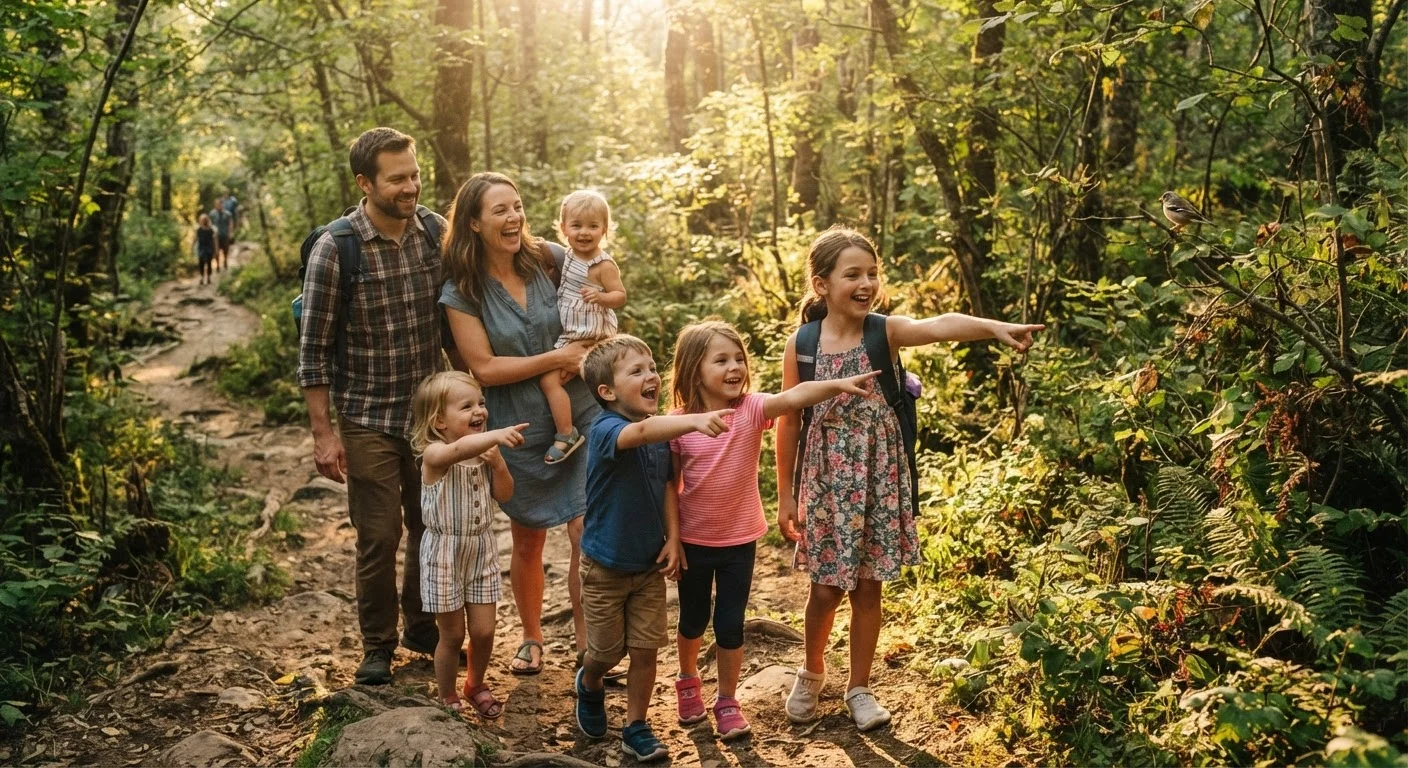
Photo: appropriateanswers.com editorial
—— In This Article
Key Takeaways
- Many museums, science centers, and cultural sites offer free or reduced admission on specific days each week or month.
- National and state park passes can make outdoor recreation one of the lowest cost-per-hour activities available to families.
- Public libraries in tourist areas frequently loan free passes to local attractions for cardholders.
- Structured free time in parks and on public beaches often produces some of the most memorable moments kids talk about later.
- Booking lodging with a kitchen allows families to redirect restaurant money toward paid experiences that matter most.
- Planning one or two anchor paid activities around a core of free options keeps a trip engaging without budget blowout.
Why free activities can outperform expensive ones for kids
Theme parks and ticketed attractions dominate family travel marketing, but the activities children remember most are rarely the ones with the longest lines or the highest entry fees. Unstructured beach time, a trail with a waterfall payoff, or a hands-on science exhibit often hold attention longer than a packaged experience designed to cycle crowds through quickly.
The practical case for free and low-cost activities is straightforward: when the baseline cost of a day is near zero, families can spend selectively on the one or two things that genuinely matter to their kids rather than paying for a full day of content, only some of which lands. That flexibility is what budget-conscious travel principles are built around.
The list below covers activities that hold up across age ranges and destinations, with notes on where to find them and how to plan around them.
Museum free days and reciprocal memberships
Most major science museums, art museums, children's museums, and natural history museums in the US offer free admission on at least one day per month. Many participate in reciprocal membership programs, meaning a membership purchased at your home city's museum grants free or discounted entry to hundreds of affiliated institutions nationwide. The Association of Science and Technology Centers and the North American Reciprocal Museum program are two of the larger networks worth checking before a trip.
Free days do attract crowds, so arriving at opening time or within the last two hours of the day generally means shorter waits. Calling ahead to confirm the schedule is worth the two minutes, since free-day policies can change seasonally.
A home museum membership can unlock free entry at hundreds of institutions across the country.
National and state park access
The America the Beautiful annual pass covers entrance fees at over 2,000 federally managed sites for a flat yearly fee, making it cost-effective for families who visit more than two or three fee-charging national parks in a year. Children 15 and under enter all national parks free regardless of whether a pass is held.
State parks often have lower entry fees than national parks and, in many cases, less crowding at natural features that are just as impressive. Comparing national and state parks on cost, facilities, and kid-friendly trails helps families choose the right fit for a given trip.
Children 15 and under enter all US national parks free, regardless of pass status.
Public library visitor passes
Public libraries in many cities issue temporary non-resident cards to visitors, and those cards often come with free passes to local zoos, aquariums, botanical gardens, and cultural centers. The pass programs vary by city and by library branch, so checking the destination library's website before the trip is the most reliable approach. Some libraries hold only a few passes per attraction and operate on a first-come basis, so reserving in advance, where the system allows it, saves a wasted trip.
This is one of the least publicized cost-cutting options in family travel and consistently goes unused simply because families don't know to look for it.
Library visitor passes to local attractions are one of the most overlooked tools in family travel.
Public beaches, lakes, and river access
Federally and state-managed beaches, lakeshores, and river access points are free or very low cost at most locations. For families with children who are strong swimmers, a full day at a public beach with a packed lunch costs almost nothing and holds attention for hours. Water, sand, and open space do more for kids' engagement than many structured activities.
Checking local park authority websites for lifeguard hours, water quality reports, and facility availability (restrooms, shade structures) before the visit prevents the kind of logistical friction that can turn a free day into a frustrating one. Ocean and lake swimming carries real safety considerations; supervise children closely and observe any posted flag or advisory systems.
A packed lunch and a public beach can deliver hours of genuine engagement at near-zero cost.
Free outdoor concerts, festivals, and farmers markets
Most US cities and towns run free outdoor programming through summer months, including concerts in public parks, cultural festivals, and weekly farmers markets. These events expose children to music, food, local craft, and community in a way that feels spontaneous rather than scheduled. Local tourism board websites and city parks department calendars list upcoming free events reliably. Searching the destination city name alongside terms like 'free events this weekend' or 'summer concert series' surfaces the relevant listings quickly.
Farmers markets in particular work well for families because children can sample food, ask growers questions, and engage directly with the environment in a low-pressure setting.
City parks department calendars reliably list free summer programming that most visiting families miss.
Junior ranger programs and ranger-led activities
The National Park Service Junior Ranger program is free at virtually every participating park. Children complete an age-appropriate activity booklet, receive a badge, and take a ranger-led oath. The program works across a wide age range and gives kids a structured goal within an unstructured environment, which tends to sustain interest significantly longer than free exploration alone.
Many parks also run free ranger-led hikes, talks, and stargazing events that are open to all visitors without advance registration. Checking the park's schedule page or the NPS app before arrival surfaces what's available on the days of the visit. These programs represent some of the highest-quality free experiences in American family travel.
The Junior Ranger program gives children a concrete goal that extends engagement across the whole park visit.
Outdoor play infrastructure in destination cities
Many US cities have invested significantly in public playground infrastructure, splash pads, and skate parks that are free to use. These are not consolation prizes; well-designed public play spaces in cities like Chicago, Portland, Denver, and dozens of smaller metros give children hours of physical activity and social interaction at no cost. Checking Google Maps or the destination city's parks department page for 'splash pad' or 'playground' near the lodging location takes about five minutes and can anchor a free half-day.
For families choosing lodging with self-catering facilities, the money saved on meals can go toward one paid experience rather than getting absorbed by restaurant bills. The connection between lodging choice and activity budget is covered in our family lodging guide.
Well-designed public splash pads and play spaces in destination cities regularly deliver full half-days of free engagement.
Building a day around free options without losing momentum
The most common mistake families make is treating free activities as gap-fillers between paid ones. Reversing that structure, anchoring the day to a free or low-cost experience and adding one optional paid activity if energy and budget allow, usually produces a more relaxed and enjoyable trip.
Pack a simple activity kit
A small bag with a field guide, binoculars, a sketchbook, and a scavenger hunt list transforms a free park visit into something children treat as a mission rather than a detour. These items cost little and pack flat. Having them ready means a trail or beach visit doesn't depend on perfect conditions to hold attention.
For families new to this approach, planning an affordable first family vacation covers the full logistics of building an itinerary that balances cost and engagement. Pairing free daily activities with the right lodging choice, covered in detail in our family lodging comparison, compounds the savings further.

Budget Travel Tips Editorial Team
Budget Travel Tips Editorial Team is the collective byline for our editorial team and contributor network. Articles published under this byline or an editorial pen name are researched, written, and reviewed according to our editorial standards for clarity, consistency, and independence before publication.
View author profile