
What Your Check Engine Light Is Actually Telling You
Decode the most common check engine light triggers, learn which ones are urgent, and understand when a shop visit can safely wait.
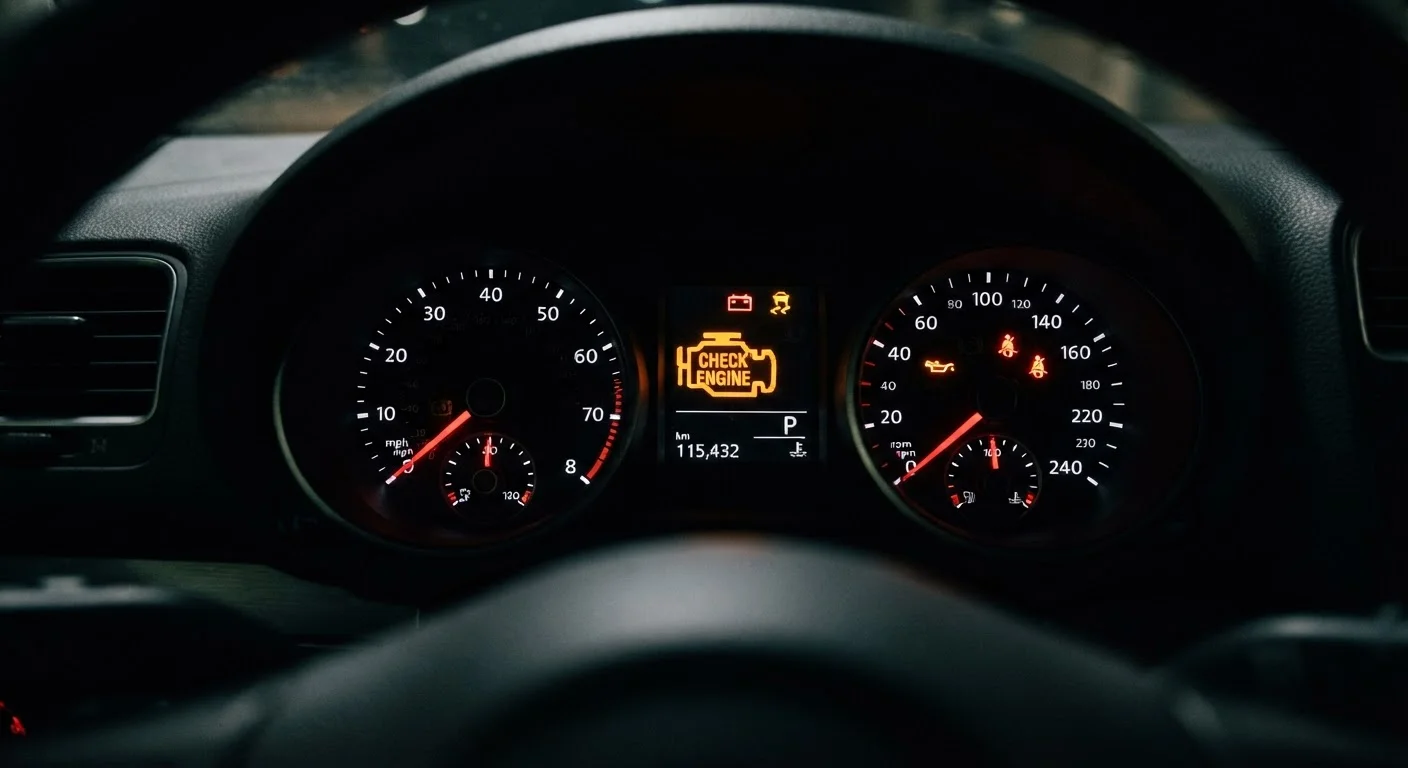
Photo: appropriateanswers.com editorial
—— In This Article
Key Takeaways
- A solid check engine light is not always an emergency, but it should not be ignored for more than a few days.
- A flashing check engine light signals an active misfire and requires immediate attention to avoid catalytic converter damage.
- A loose or missing gas cap is the most common and cheapest check engine light trigger.
- An OBD-II scanner, available at most auto parts stores for free or under $30, reads the exact trouble code.
- Many codes point to wear items like oxygen sensors or spark plugs that have predictable, manageable repair costs.
- Getting the code read before authorizing any repair protects you from unnecessary work.
What the light actually detects
Your car has been required to carry an onboard diagnostics system (called OBD-II) since 1996. Dozens of sensors continuously monitor the engine, transmission, and emission controls. When a reading falls outside acceptable parameters more than once, the computer stores a trouble code and turns on the check engine light.
The light itself carries two meanings depending on how it behaves. A steady light means a problem has been logged but the engine is not in immediate danger. A flashing or blinking light means the engine is actively misfiring, which forces raw fuel into the exhaust. That fuel can overheat and destroy the catalytic converter, a component that can cost $1,000 or more to replace. If the light is flashing, reduce speed, avoid hard acceleration, and get to a shop or safe location quickly.
The codes stored in the computer follow a standard format. A code starting with "P0" is a generic powertrain code that any scanner can read. Codes starting with "P1" are manufacturer-specific. Either way, the code points to a system or sensor, not necessarily the exact failed part, which is why a code reading is the starting point, not the final answer.
The most common triggers and what they cost
Knowing the typical causes helps you have a more informed conversation with a mechanic and avoid paying for work you do not need.
- Loose or faulty gas cap (EVAP code P0455 / P0457): Check the cap first. Tighten it until it clicks, or replace it for a few dollars. The light should clear within a couple of days of driving.
- Oxygen sensor failure (P0136, P0141, and similar): O2 sensors measure exhaust gases to help the engine adjust the fuel mixture. A failed sensor can reduce fuel economy. Sensor replacement typically runs $150 to $300 at a shop depending on which sensor and the vehicle.
- Catalytic converter (P0420): This code means the converter is not working efficiently. It can be triggered by a bad O2 sensor, so confirm the sensor is healthy before replacing the converter. A converter replacement is one of the pricier fixes, often $500 to $2,000 or more depending on the vehicle.
- Mass airflow sensor (P0101): This sensor measures how much air enters the engine. Sometimes cleaning it with sensor-safe spray resolves the code before a replacement is needed.
- Spark plugs or ignition coils (P0300 series): Misfires are common when plugs are worn past their service interval. Plug replacement is often a straightforward, lower-cost repair. Ignition coil replacement costs more but is still manageable compared to ignoring the misfire.
$0-$30
Cost to read the OBD-II trouble code yourself
Many auto parts retailers offer free in-store code scans, and personal OBD-II scanners are widely available for under $30.
~10%
Fuel economy loss from a failed oxygen sensor
The US Department of Energy has noted that a faulty oxygen sensor can reduce fuel economy by as much as 40% in severe cases, with more modest losses common in early failure stages.
$500-$2,000+
Typical catalytic converter replacement cost
RepairPal data shows converter replacement ranges widely depending on vehicle make, model, and whether original equipment or aftermarket parts are used.
See your car's maintenance schedule guide to find out when these components are due for replacement on your specific vehicle, which can help you anticipate costs rather than react to them.
How to read the code yourself
You do not need a mechanic to find out what code triggered the light. An OBD-II scanner plugs into the diagnostic port and displays the trouble code in seconds. Many auto parts retailers will scan your car at no charge in the parking lot. Basic personal scanners are available for under $30 and work on any OBD-II vehicle.
Once you have the code, search it alongside your vehicle's make, model, and year. Owner forums, RepairPal, and similar resources publish typical repair ranges for most common codes. This gives you a baseline before you call a shop, so you can tell whether an estimate is in a normal range or significantly above it.
Getting two or three estimates for any repair over $200 is a reasonable practice. Ask each shop to explain what the code means and what they plan to test or replace. A shop that resists explaining the diagnosis is one worth questioning.
For a broader set of things you can check at home before a problem triggers any warning light, weekend maintenance checks covers the basics without requiring special tools.
When a shop visit cannot wait
Some check engine situations combine with other symptoms that change the urgency entirely. If the check engine light is on and any of these are also present, do not delay the visit:
- The temperature gauge is in the red or climbing unusually high.
- You hear knocking or tapping from the engine.
- The oil pressure warning is also lit.
- The car is running rough, stalling, or losing power noticeably.
- You smell burning oil or notice smoke from under the hood.
Any of these alongside the check engine light suggests a problem that could cause significant engine damage if driven further. In those cases, having the car towed costs less than an engine rebuild.
For the codes that are lower urgency, a common mistake is authorizing a repair before the diagnostic work is done. A P0420 code, for example, does not automatically mean the catalytic converter is bad; it means the system is not performing as expected, and the cause needs to be isolated first. Common auto maintenance myths explores several situations where acting on a surface-level reading costs drivers more than necessary.
Frequently Asked Questions

Affordable Auto Care Editorial Team
Affordable Auto Care Editorial Team is the collective byline for our editorial team and contributor network. Articles published under this byline or an editorial pen name are researched, written, and reviewed according to our editorial standards for clarity, consistency, and independence before publication.
View author profile