
Doing Minor Car Repairs Yourself: A Realistic Look at the Trade-offs
DIY auto work can save real money, but it is not always the right call. Here is an honest look at where it makes sense and where it does not.
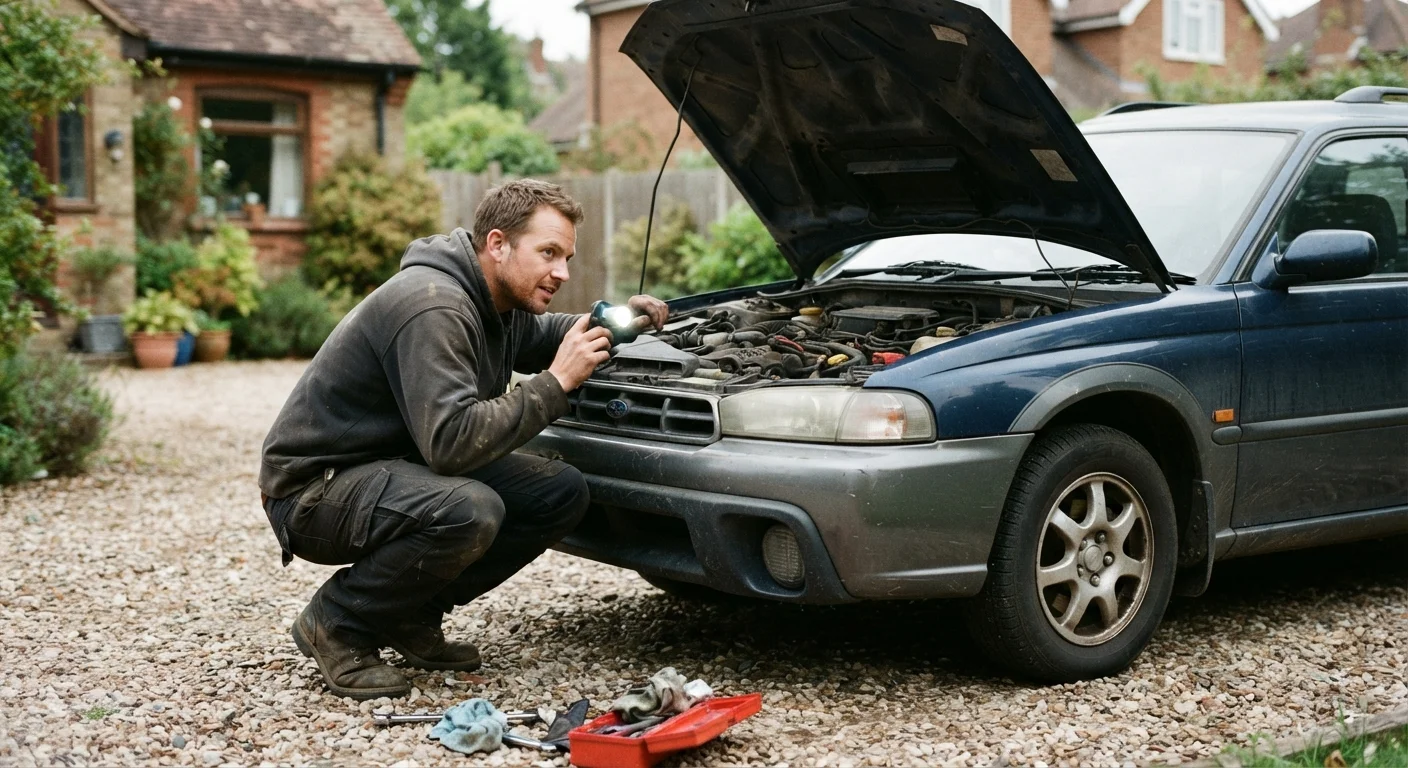
Photo: appropriateanswers.com editorial
—— In This Article
Key Takeaways
- DIY car repairs can save significant money on labor costs for straightforward jobs like air filters and wiper blades.
- Some tasks carry real safety or warranty risks that make professional service the more sensible choice.
- Knowing your skill level and having the right tools before starting is more important than watching one tutorial.
- Mistakes on DIY repairs can cost more to fix than the original professional service would have.
- A few simple weekend checks can reduce the need for repairs altogether.
Labor savings on simple jobs are substantial
Labor often accounts for more than half of a repair bill. On a straightforward job like an air filter or wiper blade, doing it yourself can reduce the cost by 60 to 80 percent.
You learn exactly what was done to your car
Doing your own maintenance means you have direct knowledge of the parts used, the condition you found things in, and what was actually replaced. That information is useful when talking to a mechanic later.
Scheduling is entirely on your terms
You do not need an appointment, a loaner car, or a day off work. Jobs done at home fit around your schedule rather than a shop's.
Tool investment pays off over multiple jobs
A basic set of sockets, a torque wrench, and jack stands are reusable across many vehicles and many years. The upfront cost spreads across every future repair.
Mistakes can cost more than the original job
A stripped drain plug or an improperly seated brake component can create a secondary failure that is more expensive to diagnose and correct than having a professional do the original repair.
Some jobs carry direct safety risks
Brake, suspension, and steering work done incorrectly affects vehicle control. Errors in these areas are not just costly; they can create dangerous driving conditions.
Warranty coverage can be affected
On vehicles still under a manufacturer warranty, repairs using non-OEM parts or performed outside authorized service networks may affect coverage, depending on the specific terms.
Tool costs reduce savings on one-off jobs
Purchasing specialty tools for a single repair can eliminate the cost advantage entirely. The savings only materialize if you use those tools across multiple jobs over time.
Proper disposal and cleanup add friction
Used motor oil, old brake fluid, and worn parts require proper disposal. Most drivers need to make a separate trip to a parts store or recycling center, adding time to the job.
Where the money actually goes in a shop repair
When a shop charges you $150 to replace a cabin air filter that costs $20 at a parts store, most of that gap is labor. Labor typically accounts for 40 to 60 percent of a repair bill, according to AAA. For simple jobs, that ratio is even more lopsided. A mechanic might spend eight minutes on a task that took three weeks of trade school to learn and five minutes to do. That is not a ripoff; it is just how shops stay open. But it does mean that on uncomplicated jobs, a careful driver can close most of that gap by doing the work at home.
The math changes fast on complex repairs. A timing belt job, for example, involves precise torque specs, special tools, and real consequences if it goes wrong. The labor cost there reflects genuine expertise and liability, not padding. Understanding that distinction is the foundation of any sensible DIY decision.
Repairs that are genuinely DIY-friendly
Several maintenance tasks require minimal mechanical knowledge, no specialty tools, and carry little risk if done carefully.
- Wiper blade replacement takes under five minutes and the packaging usually shows you how.
- Cabin and engine air filters on most vehicles involve removing a few clips or screws and sliding in a new unit.
- Battery terminal cleaning requires baking soda, water, and a wire brush. Replacement is similarly straightforward on most cars, though hybrids and some newer vehicles have battery management systems that complicate things.
- Checking and topping off fluids, including coolant, windshield washer fluid, and power steering fluid, carries essentially no risk and takes ten minutes.
- Replacing exterior bulbs on older vehicles is often a matter of accessing the housing from inside the engine bay or trunk.
For all of these, a quick check of your owner's manual and a look at a model-specific video are worth the few minutes before you start. Generic tutorials sometimes skip steps that matter on your particular car.
The weekend maintenance checks that prevent expensive repairs article has a practical checklist for the kind of quick inspections that cost nothing and catch problems early.
Labor savings on simple jobs are substantial
Labor often accounts for more than half of a repair bill. On a straightforward job like an air filter or wiper blade, doing it yourself can reduce the cost by 60 to 80 percent.
You learn exactly what was done to your car
Doing your own maintenance means you have direct knowledge of the parts used, the condition you found things in, and what was actually replaced. That information is useful when talking to a mechanic later.
Scheduling is entirely on your terms
You do not need an appointment, a loaner car, or a day off work. Jobs done at home fit around your schedule rather than a shop's.
Tool investment pays off over multiple jobs
A basic set of sockets, a torque wrench, and jack stands are reusable across many vehicles and many years. The upfront cost spreads across every future repair.
Where DIY tends to go wrong
The most common DIY problem is not incompetence; it is underestimating a job. Brake pad replacement looks simple in video form. In practice, seized caliper bolts, corroded rotors, and brake fluid contamination can turn a two-hour job into a full afternoon with an incomplete result. Brake system errors carry direct safety consequences, which is why this is one area where honest self-assessment matters more than saving $80.
Other jobs that often surprise beginners include oil changes (stripping the drain plug or overtightening the filter are common and can cause leaks), spark plug replacement on modern engines with coil-on-plug ignition, and anything involving the suspension or steering linkage. On vehicles still under a manufacturer warranty, unauthorized repairs or non-OEM parts can void coverage, depending on the work done and how it is documented.
Incorrect repairs also compound. A loose connection or improperly seated part can cause a secondary failure that costs more to diagnose and fix than the original professional job would have. If you find yourself mid-repair with a result you are not confident in, stopping and calling a shop is not failure; it is good judgment. The guide to getting a second opinion on auto repairs can also help you evaluate what a shop quotes you once you know what the job involves.
Mistakes can cost more than the original job
A stripped drain plug or an improperly seated brake component can create a secondary failure that is more expensive to diagnose and correct than having a professional do the original repair.
Some jobs carry direct safety risks
Brake, suspension, and steering work done incorrectly affects vehicle control. Errors in these areas are not just costly; they can create dangerous driving conditions.
Warranty coverage can be affected
On vehicles still under a manufacturer warranty, repairs using non-OEM parts or performed outside authorized service networks may affect coverage, depending on the specific terms.
Tool costs reduce savings on one-off jobs
Purchasing specialty tools for a single repair can eliminate the cost advantage entirely. The savings only materialize if you use those tools across multiple jobs over time.
Proper disposal and cleanup add friction
Used motor oil, old brake fluid, and worn parts require proper disposal. Most drivers need to make a separate trip to a parts store or recycling center, adding time to the job.
Tools, time, and honest self-assessment
Tool costs matter. A torque wrench, oil filter wrench, and jack stands together can run $80 to $150 if you do not already own them. On a single oil change, that erases the savings. Over several years of changes, the math works in your favor. The question is whether you will actually do those future jobs or whether the tools sit in a corner.
Time is also a real cost. A shop completes an oil change in 15 minutes. At home, you might spend 90 minutes your first few times, including cleanup and a trip to dispose of used oil properly (most auto parts stores accept it for free). That is not an argument against doing it yourself; it is just information worth having before you decide.
Check your owner's manual first
Many drivers skip the owner's manual and go straight to online videos. The manual lists torque specs, fluid types, and maintenance intervals specific to your vehicle that generic guides do not cover. For filter and fluid jobs especially, the manual will tell you if there are access panels, clips, or steps unique to your model. It takes five minutes and can prevent a frustrating mistake.
If you are uncertain whether a specific repair is within reach, common auto maintenance myths break down which standard car care rules are outdated and which ones actually protect your vehicle. That context helps you separate necessary repairs from upsells.
40-60%
Share of repair bill that is labor
AAA estimates labor accounts for 40 to 60 percent of the average auto repair bill, making simple DIY jobs the highest-leverage place to save.
$0
Cost to dispose of used motor oil
Most auto parts retailers accept used motor oil for recycling at no charge, removing one common barrier to home oil changes.

Affordable Auto Care Editorial Team
Affordable Auto Care Editorial Team is the collective byline for our editorial team and contributor network. Articles published under this byline or an editorial pen name are researched, written, and reviewed according to our editorial standards for clarity, consistency, and independence before publication.
View author profile