
Why Your Garden Soil Keeps Failing Your Plants
Poor soil prep is behind most backyard gardening disappointments. Understand the real causes and low-cost fixes before your next planting season.
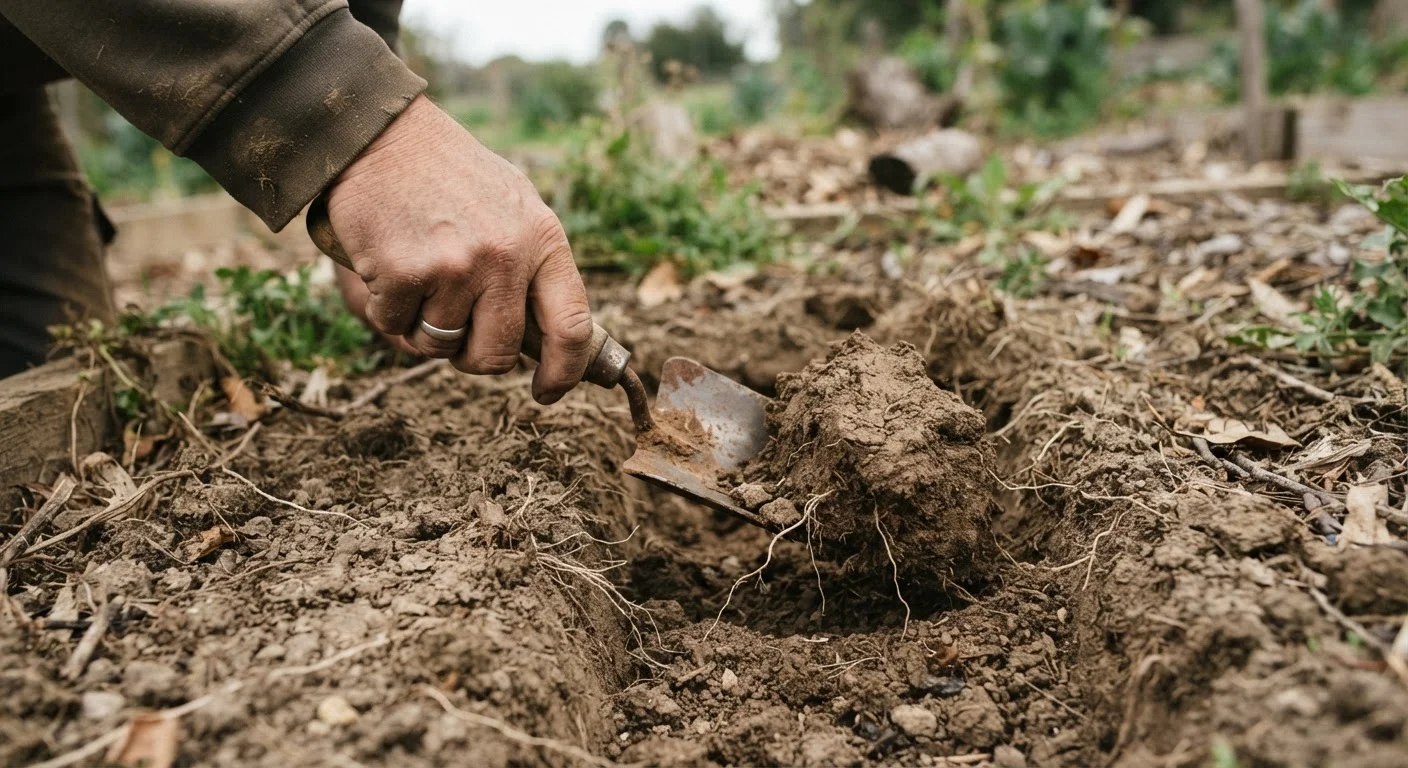
Photo: appropriateanswers.com editorial
—— In This Article
Key Takeaways
- Compacted or poorly draining soil is the most common reason plants underperform, regardless of how much fertilizer you add.
- A basic soil pH test, often under $15, can prevent wasted effort and money on plants that will not thrive in your conditions.
- Organic matter like compost costs little but consistently improves both sandy and clay-heavy soils over one to two seasons.
- Skipping soil prep before planting creates compounding problems that cost more to fix than getting it right from the start.
What bad soil actually looks like
Most gardeners blame seeds, sunlight, or pests when plants struggle. The real culprit is usually beneath the surface. Healthy garden soil holds moisture without becoming waterlogged, drains freely after rain, stays loose enough for roots to penetrate, and contains enough organic matter to feed soil microbes. When any of those conditions are missing, plants stall even when everything above ground looks fine.
The signs are worth learning to read. Soil that crusts after watering, puddles that sit for hours after rain, patches that dry out faster than the rest of the bed, and stunted root systems when you pull a struggling plant are all reliable indicators. Addressing these before you plant will do more good than any fertilizer applied after the fact.
If you are also weighing whether an in-ground bed is even right for your space, see the cost breakdown for raised bed vs. in-ground setups before committing to one approach.
Common soil mistakes and how to fix them
The mistakes below account for the majority of backyard garden failures. Each one is fixable without expensive products or professional help.
Skipping a soil test before planting.
Why it happens: Gardeners assume their soil is workable if plants grew there before, or they want to start planting quickly and see testing as an optional extra step.
Adding too much or the wrong type of fertilizer without knowing what the soil already has.
Why it happens: The instinct is that more nutrients equal better growth, and fertilizer bags are prominently marketed at garden centers every spring.
Tilling the soil every season without cause.
Why it happens: Tilling is widely taught as standard bed prep, and freshly turned soil looks productive and ready to plant.
Failing to account for drainage before planting.
Why it happens: Drainage problems are invisible until it rains, and most gardeners plan their beds during dry periods when the issue is not apparent.
Not replenishing organic matter between growing seasons.
Why it happens: Organic matter breaks down continuously, but that loss is gradual and easy to overlook when last season produced an adequate harvest.
Keeping soil healthy without overspending
Good soil does not require a large investment. A bag of compost, a $10 pH test kit from a hardware store, and a willingness to stop tilling so frequently will take most home gardens a long way. Municipal compost programs, leaf mulch from fall cleanup, and kitchen scraps run through a backyard compost bin are all low-cost or free sources of organic matter.
The same logic that applies to deferred home maintenance applies here. Small, consistent soil care done seasonally is far cheaper than trying to rescue a failed garden bed after two or three bad growing seasons. Skipping routine upkeep rarely saves money, whether the subject is gutters or garden beds.
~5%
Organic matter content in healthy garden soil
The Natural Resources Conservation Service notes that most cultivated soils in the US fall well below this level, often at 1 to 3 percent.
6.0 to 7.0
Optimal soil pH range for most vegetables
Outside this range, essential nutrients become chemically unavailable to plants regardless of how much fertilizer is applied.
Test your soil every two to three years, add a one-to-two-inch layer of compost each spring, and hold off on tilling unless you are dealing with genuine compaction in a new bed. Those three habits cover most of what a home garden needs from its soil.

Home On A Budget Editorial Team
Home on a Budget Editorial Team is the collective byline for our editorial team and contributor network. Articles published under this byline or an editorial pen name are researched, written, and reviewed according to our editorial standards for clarity, consistency, and independence before publication.
View author profile