
Caulk, Weatherstrip, and Seal: Stopping the Drafts That Drive Up Energy Bills
Learn where air leaks hide in most American homes and how simple sealing materials can noticeably reduce heating and cooling costs year-round.
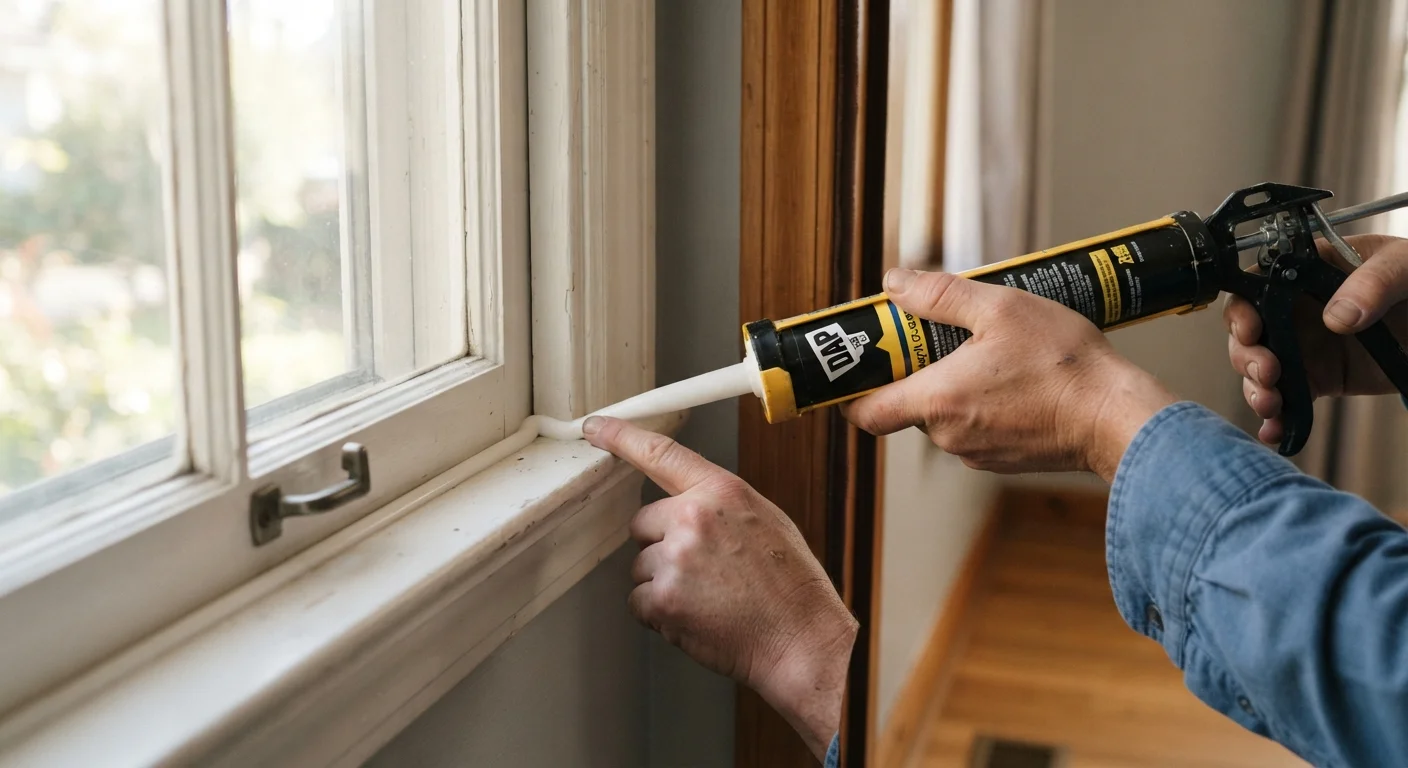
Photo: appropriateanswers.com editorial
—— In This Article
Key Takeaways
- Air leaks around windows, doors, and utility penetrations are among the most common sources of wasted energy in US homes.
- Caulk seals stationary gaps; weatherstripping seals movable joints like door and window edges.
- A basic draft audit costs nothing and can be done with a candle or your hand on a windy day.
- Most sealing materials cost just a few dollars per linear foot and require no special tools or skills.
- Sealing alone will not fix insulation shortfalls, but it reduces the workload on your heating and cooling system.
Where drafts actually come from
Most air leaks in a typical American home are not at the obvious spots. Windows get blamed, but the bigger culprits are often the gaps where utility lines enter the house: plumbing pipes under sinks, electrical conduit through exterior walls, and dryer vents that were never sealed properly after installation. The US Department of Energy estimates that sealing air leaks, combined with adding insulation, can reduce heating and cooling costs by a meaningful percentage for many homes, though results vary widely depending on the home's age, construction type, and climate zone.
Other common leak points include:
- The sill plate, where the wood framing sits on top of the foundation
- Attic hatches and pull-down stairs
- Recessed lighting fixtures on top-floor ceilings
- Gaps around fireplace dampers
- Mail slots and pet doors
Before buying any materials, walk through your home with a lit incense stick or a thin piece of tissue paper on a windy day. Hold it near suspected gaps. Movement tells you where air is moving. This costs nothing and guides your material purchases so you do not overbuy.
Skipping this step is part of a broader pattern of deferred home upkeep that tends to cost more over time. See how neglected maintenance adds up for a fuller picture of what small gaps can become.
Choosing the right sealing material
Caulk and weatherstripping solve different problems. Caulk fills stationary gaps: the seam between a window frame and exterior siding, or the joint where a pipe exits through drywall. Weatherstripping seals moving parts: the perimeter of a door or an operable window sash that opens and closes repeatedly.
Using caulk on a door jamb where a door compresses against it every day will crack the caulk within weeks. Using foam weatherstripping on a fixed gap wastes money and looks sloppy. Match the material to the motion.
Matching material to the job
The most common DIY sealing mistake is reaching for whatever is closest rather than what fits the application. Silicone caulk on an interior drywall gap is overkill and unpaintable. Foam tape on a door used dozens of times a day will compress flat within a season. Spending two minutes identifying the right product saves you from redoing the job in six months.
Caulk types at a glance:
- Silicone: Long-lasting, flexible, water-resistant. Good for exterior use and areas with moisture, such as around bath fixtures or exterior window frames. Does not accept paint.
- Latex (acrylic latex): Easy to apply and clean up, paintable, best for interior gaps that stay dry. Less flexible than silicone over time.
- Foam sealant (spray foam): Good for larger, irregular gaps around pipes and utility penetrations. Expands as it cures, so apply sparingly. Use the low-expansion type around windows to avoid warping frames.
Weatherstripping types at a glance:
- Foam tape: Inexpensive and simple to apply, but compresses and degrades within a few years. Fine for low-traffic windows.
- V-strip (tension seal): Thin folded plastic or metal that fits inside the channel of a door or double-hung window. Durable and low-profile.
- Door sweeps: Attach to the bottom edge of a door to seal the gap against the threshold. Available in several profiles to match different floor surfaces.
- Compression bulb or D-strip: Foam or rubber profile that compresses when the door or window closes. Good for uneven gaps.
How to seal your home step by step
Work from the outside in, starting with the most exposed areas. Sealing exterior gaps first reduces moisture intrusion risk before you address interior work.
Do your draft audit first
On a cold or windy day, close all windows and doors. Turn on all exhaust fans (kitchen, bathrooms) to depressurize the house slightly, which amplifies leaks. Move a lit incense stick or a piece of tissue slowly around window frames, door perimeters, electrical outlets on exterior walls, and any pipe or wire penetrations. Mark each leak with a piece of painter's tape so you can find it once you have materials in hand.
Clean and prep all surfaces
Caulk and weatherstripping adhesive will not bond to dirty, wet, or painted-over surfaces. Remove old caulk with a caulk removal tool or a utility knife, then scrub the area with a damp cloth and let it dry completely. For exterior work, avoid applying caulk if rain is forecast within 24 hours or if the temperature is below 40 degrees Fahrenheit, as most latex caulks will not cure properly in the cold.
Apply caulk to stationary gaps
Cut the caulk tube tip at a 45-degree angle, making the opening slightly smaller than the gap you are filling. Load the tube into a caulk gun. Apply steady, even pressure as you drag the tip along the gap in one continuous motion. Wet your finger with water (for latex caulk) or a drop of dish soap (for silicone) and smooth the bead immediately. Wipe away the excess. Let it cure fully before painting or exposing it to water, per the manufacturer's instructions on the tube.
Install weatherstripping on doors and windows
For exterior doors, start with the door sweep at the bottom. Cut it to width with a hacksaw or tin snips, then screw it to the interior face of the door so the seal just brushes the threshold when the door closes. Next, apply V-strip or compression bulb weatherstripping to the side jambs and top. For double-hung windows, V-strip fits into the channel alongside the sash and expands to fill the gap without impeding movement. Foam tape works on the top and bottom rails where the sash meets the frame, as long as those surfaces are not subject to heavy friction.
Seal utility penetrations with foam
Find every pipe, wire, or duct that passes through an exterior wall or floor. Use low-expansion spray foam for gaps up to about 3 inches wide. For larger openings, use fire-rated foam or stuff mineral wool (rock wool) into the gap first, then foam over it. Around recessed lights in the attic, use a fire-rated caulk or intumescent foam product, since standard foam is flammable and building codes in most US jurisdictions prohibit its use directly against heat-generating fixtures.
After you finish, repeat the candle or tissue test. Air movement that has stopped confirms the seal is working. Any remaining flutter points to gaps you missed or materials that did not adhere properly.
What sealing cannot do
Air sealing reduces infiltration, the uncontrolled movement of outdoor air into conditioned space. It does not compensate for thin or missing insulation in walls and attics, which slows heat transfer through solid surfaces. Both matter, but they are separate problems requiring separate solutions.
Sealing too tightly in an older home can also reduce natural ventilation, which affects indoor air quality. If you have gas appliances, a wood-burning fireplace, or any combustion equipment, consult a qualified HVAC professional before doing extensive air sealing work. Combustion appliances need adequate airflow to exhaust safely, and back-drafting is a real risk in very tight homes.
A home energy auditor can use a blower-door test to quantify your home's air leakage rate and tell you exactly how tight it is before and after sealing work. Many local utilities offer subsidized or free audits. Check your utility provider's website for programs available in your area.

Home On A Budget Editorial Team
Home on a Budget Editorial Team is the collective byline for our editorial team and contributor network. Articles published under this byline or an editorial pen name are researched, written, and reviewed according to our editorial standards for clarity, consistency, and independence before publication.
View author profile